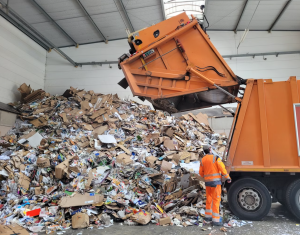
Trash is something we all create — every day, in every household, business, and community. But few people stop to think about where trash comes from, how it’s handled, and why responsible disposal matters so much.
1. Where Does Trash Come From?
Trash comes from almost every part of our daily lives: the package your food came in, the scraps from your meal, the broken items you toss, and even the leftover materials from businesses, construction sites, and agriculture. Any time we buy, use, or replace something, waste is created.
2. How Is Trash Formed?
Trash is formed when an item is no longer wanted, useful, or valuable. This includes food waste, plastics, papers, metals, yard clippings, chemicals, electronics, and the by-products of manufacturing and production. Essentially, trash is the result of our consumption—and sometimes, our convenience.
3. How Is Trash Collected?
Collection happens through several systems depending on where you live:
- Residential curbside pickup for everyday household garbage
- Commercial dumpsters for businesses and restaurants
- Recycling routes for items like plastic, cardboard, metal, and glass
- Bulk and heavy-trash services for furniture and appliances
- Special collection programs for hazardous waste, electronics, or chemicals
Even though collection looks simple, it’s part of a highly coordinated operation.
4. Who Collects It?
Different regions use a combination of:
- City or county waste management departments
- Private waste haulers under contract
- Specialized recycling or environmental companies
Together, these teams run the trucks, sort materials, manage facilities, and dispose of trash safely.
5. Why Is Trash Disposal So Important?
Proper disposal is essential for protecting both people and the environment. Without correct waste handling, communities could face:
- Polluted air, soil, and water
- Rodents, insects, and disease outbreaks
- Harmful chemicals entering ecosystems
- Dangerous buildup of flammable or toxic materials
Safe disposal keeps neighborhoods clean, reduces health risks, and protects natural habitats.
6. How Is Trash Discarded?
Trash doesn’t all go to the same place. It may end up in:
- Landfills (most common)
- Recycling centers, where materials are cleaned and processed for reuse
- Composting facilities that turn organic waste into soil
- Waste-to-energy plants that convert trash into electricity
- Hazardous waste facilities for chemicals, oils, and toxic items
Each type of waste requires different handling to prevent harm and increase sustainability.
7. What Is My Role in the Disposal Process?
Everyone plays a critical part. Your role includes:
- Sorting recycling from trash
- Reducing unnecessary waste
- Reusing items when possible
- Following local trash pickup rules
- Correctly disposing of chemicals, batteries, and electronics
Individual actions collectively determine how much waste ends up in landfills.
8. How Does Trash Affect Our World?
Negative Impacts:
Trash pollution harms wildlife, contributes to climate change, disrupts ecosystems, and threatens human health.
Positive Impacts:
When managed well, trash can become resources:
- Recycled materials reduce the need for new raw materials
- Waste-to-energy operations power homes and buildings
- Compost strengthens soil and supports agriculture
- The waste industry creates thousands of jobs
Trash isn’t just a problem — it’s also an opportunity when handled responsibly.
9. How Is Trash Regulated?
Waste is controlled through:
- Local ordinances that control pickup, dumping, and litter
- State environmental agencies overseeing recycling and disposal standards
- Federal laws, such as the EPA’s Resource Conservation and Recovery Act (RCRA), which governs waste handling and hazardous materials
These rules ensure that waste is managed in ways that protect people and the planet.
10. How Can We Make Our World Better and Safer?
A cleaner world starts with everyday habits:
- Buy less — especially single-use items
- Reuse whatever you can
- Recycle properly
- Compost food and yard waste
- Avoid littering
- Choose eco-friendly or minimal packaging
- Dispose of chemicals, oils, and electronics safely
- Teach others the value of responsible waste habits
Change begins with awareness, but it grows through action.